
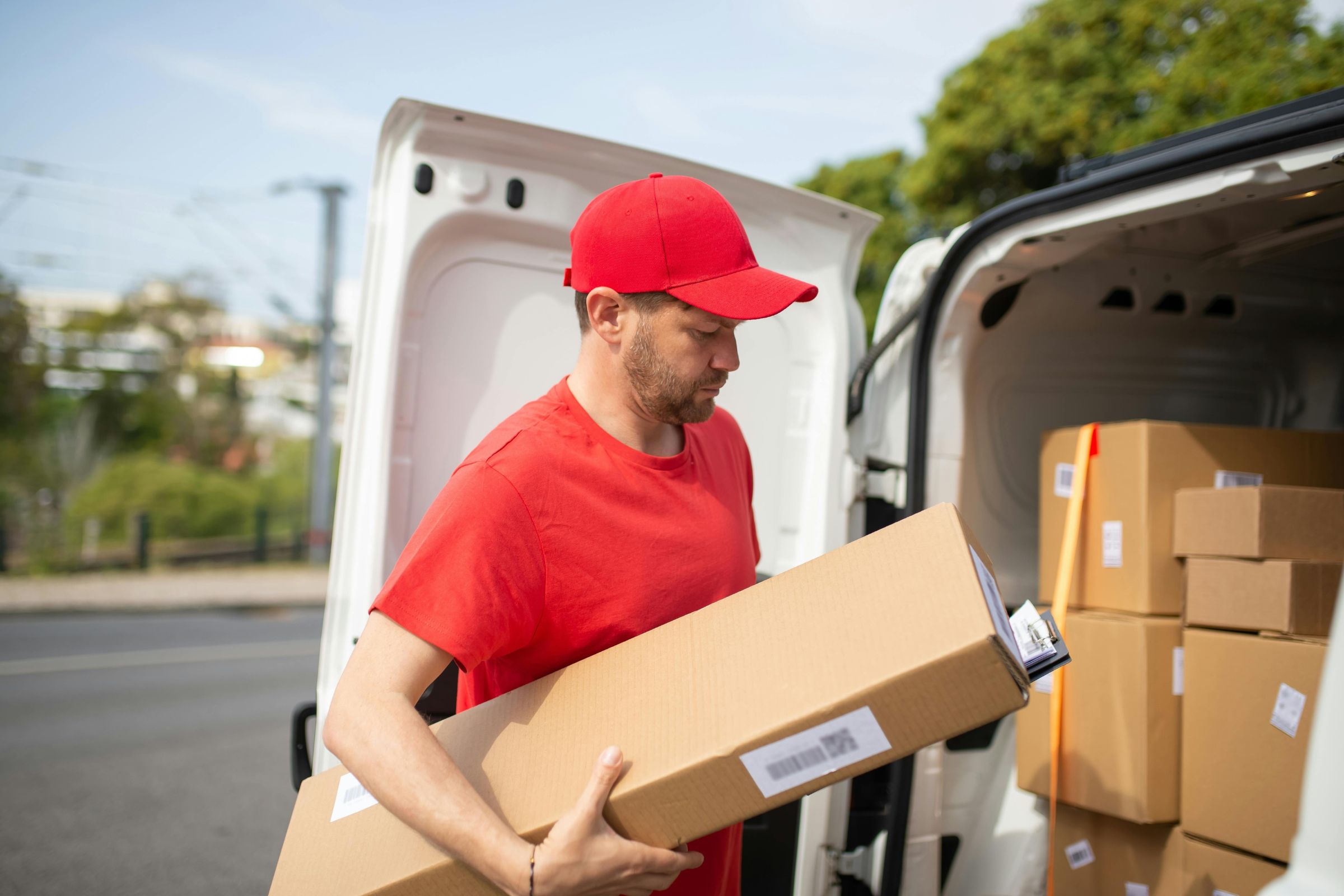
How Amazon DSP Insurance Costs Stack Up Against Traditional Providers
March 11, 2026 12:00 pmFor Amazon Delivery Service Partner owners, insurance is one of the largest operational expenses. But as you know, not all insurance programs are created equal. Many DSP owners wonder how Amazon DSP insurance compares to traditional insurance providers in terms of cost, flexibility, and long-term value.
Understanding the differences can help you make smarter decisions, avoid overpaying, and ensure your business stays compliant and protected.
What Is Amazon DSP Insurance?
Amazon DSP insurance refers to a structured set of policies required for delivery service partners operating under Amazon contracts. These requirements typically include:
- Commercial auto insurance
- General liability insurance
- Workers compensation coverage
- Cargo insurance
Unlike traditional business insurance, DSP insurance must meet Amazon’s specific standards, which are designed to reduce risk across their delivery network.
To understand coverage requirements in more detail, visit our Full Page on Amazon DSP Insurance.
What Are Traditional Insurance Providers?
Traditional insurance providers offer general commercial policies that can apply to a wide range of businesses. While they may provide similar coverage types, they are not always tailored to the unique risks associated with delivery operations.
This can lead to gaps in coverage or policies that require significant customization to meet Amazon’s standards.
For broader business coverage options, explore Our Business Insurance Page.
Key Cost Differences Between DSP Insurance and Traditional Providers
1. Risk Classification
Amazon DSP operations are considered high risk due to:
- Frequent driving exposure
- High delivery volume
- Driver turnover
- Tight delivery schedules
Specialized DSP insurance providers understand this risk and structure policies accordingly. Traditional providers may either overprice the risk or underwrite it incorrectly, leading to higher premiums or coverage issues later.
2. Policy Structure and Bundling
Amazon DSP insurance programs are typically built as coordinated packages. This can improve efficiency and reduce administrative complexity.
Traditional providers often require separate policies that may not align perfectly, which can increase costs and create coverage gaps.
3. Workers Compensation Costs
Workers compensation is a major cost factor for DSPs. Delivery drivers face higher injury risks, which impacts premiums.
Specialized providers offering Amazon DSP work comp solutions often have better insight into classification codes and payroll structuring, helping control costs over time.
Learn more about Workers Compensation Solutions.
4. Claims Handling and Loss History
Insurance costs are heavily influenced by claims history. Providers experienced with Amazon DSP operations can help implement risk management strategies that reduce claim frequency.
Traditional providers may not offer the same level of industry-specific guidance, which can lead to higher long-term costs.
5. Compliance and Audit Costs
Amazon DSPs are subject to audits and strict compliance standards. Failing to meet these requirements can result in penalties or increased premiums.
Working with a provider that understands Amazon DSP insurance requirements can help avoid costly compliance mistakes.
When Traditional Insurance May Cost More
While traditional providers may initially appear cheaper, hidden costs often arise from:
- Incorrect coverage limits
- Gaps between policies
- Rewriting policies to meet Amazon standards
- Claims disputes due to improper structuring
Over time, these issues can make traditional insurance more expensive than a properly structured DSP-specific program.
When DSP-Specific Insurance Provides Better Value
Amazon DSP insurance programs often provide better value when:
- Policies are tailored to delivery operations
- Coverage aligns with Amazon requirements from the start
- Risk management strategies are built into the program
- Claims are handled efficiently
These factors can lead to more stable premiums and fewer unexpected expenses.
How to Choose the Right Insurance Approach
When comparing Amazon DSP insurance and traditional providers, consider:
- Does the provider understand Amazon DSP requirements?
- Are policies structured specifically for delivery operations?
- Is there support for audits and compliance?
- Can the program scale with your fleet?
Choosing the right provider is not just about cost. It is about long-term protection and operational stability.
Frequently Asked Questions About Amazon DSP Insurance Costs
Is Amazon DSP insurance more expensive than traditional insurance?
It can be higher upfront due to the nature of delivery risk, but it is often more cost-effective long term because it is properly structured and compliant.
What impacts Amazon DSP insurance costs the most?
Key factors include fleet size, driver history, payroll, claims history, and location.
Can I use a traditional insurance provider for my DSP?
Yes, but the provider must be able to meet Amazon’s insurance requirements. Many traditional providers lack the specialization needed.
How can I lower my DSP insurance costs?
Maintaining a strong safety program, reducing claims, and working with a specialized provider can help stabilize premiums.
Does bundling policies reduce costs?
In many cases, yes. Coordinated insurance programs designed for DSP operations can reduce administrative costs and improve coverage efficiency.
Why DSP Might Work For You
When comparing Amazon DSP insurance to traditional providers, the lowest upfront cost is not always the best option. Specialized DSP insurance programs are designed to meet the unique demands of delivery operations, often resulting in better long-term value.
For Amazon DSP owners, the goal is not just to meet requirements but to build a sustainable insurance strategy that protects the business as it grows.
If you are evaluating your current coverage, Capstone Coverage can help you compare options and structure a program tailored to your DSP operation.
Contact Us today for more information or to receive a quote.
Categorized in: Amazon DSP, Blog